
The Psychology of Color in Logos: What Works Now?
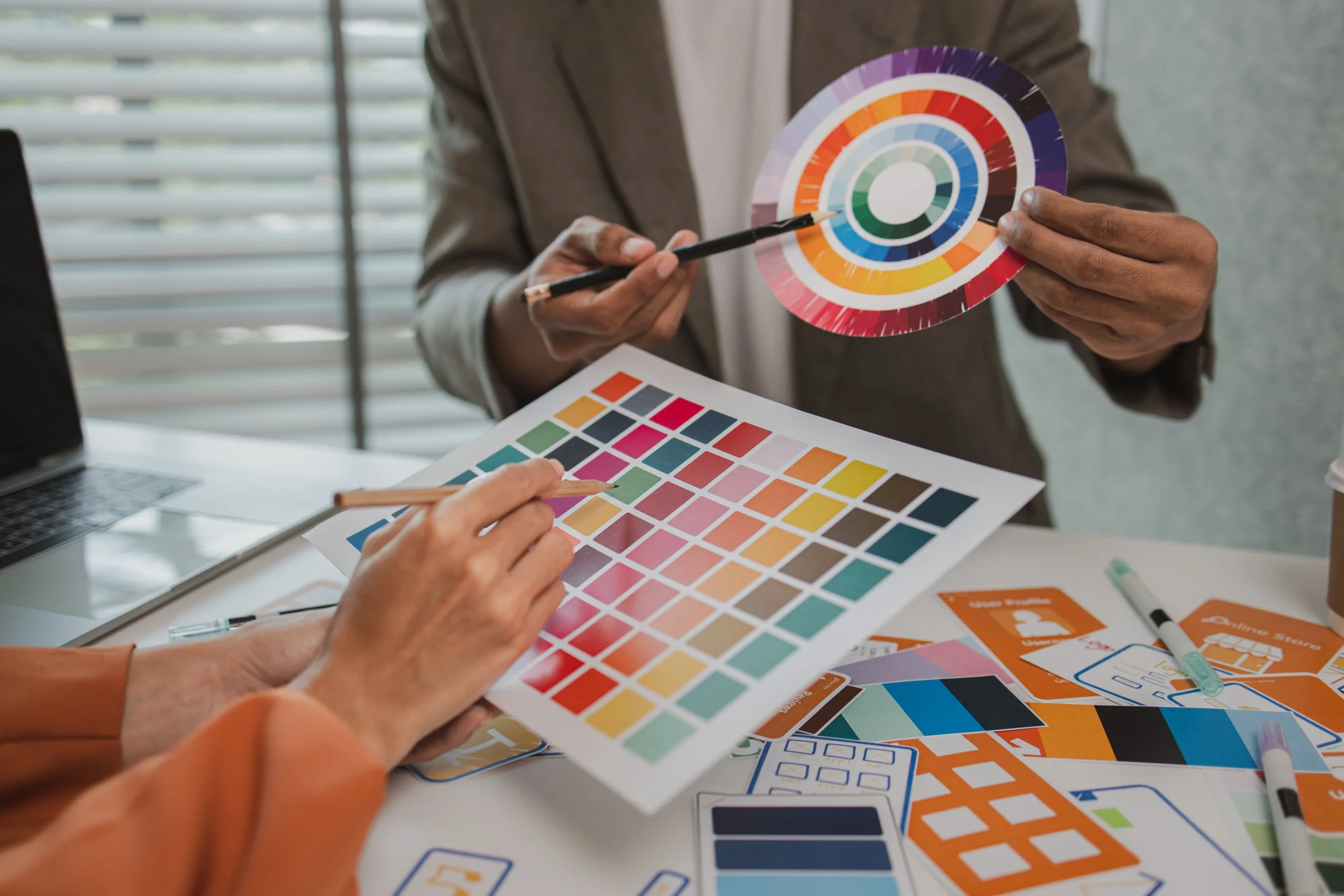
You never forget a first impression—especially when it’s dressed in red, blue, or millennial purple.
Color is often the very first thing we register when we encounter a brand. Not the typeface. Not the clever tagline. Just pure, punchy pigment. So if you’re still picking your brand colors based on “what looks good” or “what the founder’s cousin liked,” it might be time for a little design intervention.
Let’s dive into how color psychology actually works (hint: it’s more science than sorcery), and what’s resonating with audiences right now.
Why Color Even Matters (Still)
We live in a scroll-fast, skip-the-ad, multi-tab world. So when your logo has less than a second to say hi, the color does the heavy lifting. Studies show that up to 90% of snap judgments about products can be based on color alone.
Color tells a story before you say a word. It sets the tone. It makes people feel things—trust, energy, calm, curiosity, or even hunger (looking at you, fast food red).
The Classics Never Die—But They Do Evolve
Blue – The Trust Builder
Classic use: Tech, finance, healthcare.
2025 twist: Blue is still the king of credibility, but brands are warming it up with gradients or pairing it with unexpected neons for a fresher feel.
Red – The Attention Grabber
Classic use: Food, fashion, energy.
2025 twist: Red is being toned down into rust, terracotta, and rose—still bold, but with a bit more nuance and less “fire alarm.”
Green – The Earthy One
Classic use: Sustainability, wellness, finance.
2025 twist: Olive, sage, and forest are in. Brands are going greener, literally and figuratively.
Purple – The Wild Card
Classic use: Luxury, spirituality, creativity.
2025 twist: Lavender and periwinkle are popping up in unexpected places—Gen Z brands are leaning into soft purples for calm and cool.
Black & White – The Power Couple
Classic use: Luxury, editorial, minimalism.
2025 twist: Still timeless, but now being paired with bright, playful accent colors to break the “too serious” vibe.
What’s Actually Working Now?
Spoiler: Safe is out.
Today’s best logos don’t play it cool—they play it real. Brands are leaning into color palettes that reflect who they are and who they’re for, not just what’s trending.
Some things we’re seeing win big right now:
Unexpected color combos (teal + tangerine? It’s a thing.)
Soft, desaturated palettes that feel warm and human
Bold contrast to stand out on both light and dark modes
Cultural relevance (color choices that reflect your audience’s vibe, not just your brand’s preferences)
A Few Questions to Ask Before You Lock in Your Logo Colors
What do I want people to feel when they see this?
Will this color palette stand out in my industry?
Does it scale across platforms (web, print, social, merch)?
Is it accessible to all users (a11y is not optional)?
TL;DR: Pick a Color with Purpose
Great logo design isn’t just about what looks good—it’s about what feels right. Color is your brand’s first handshake. So don’t just chase trends. Choose colors that tell your story, resonate with your audience, and actually hold up in the wild.
And if you’re still stuck between blush and bashful?
We’ve got you.
Ready to explore how color can define your branding experience?
Let’s create something extraordinary, together.
